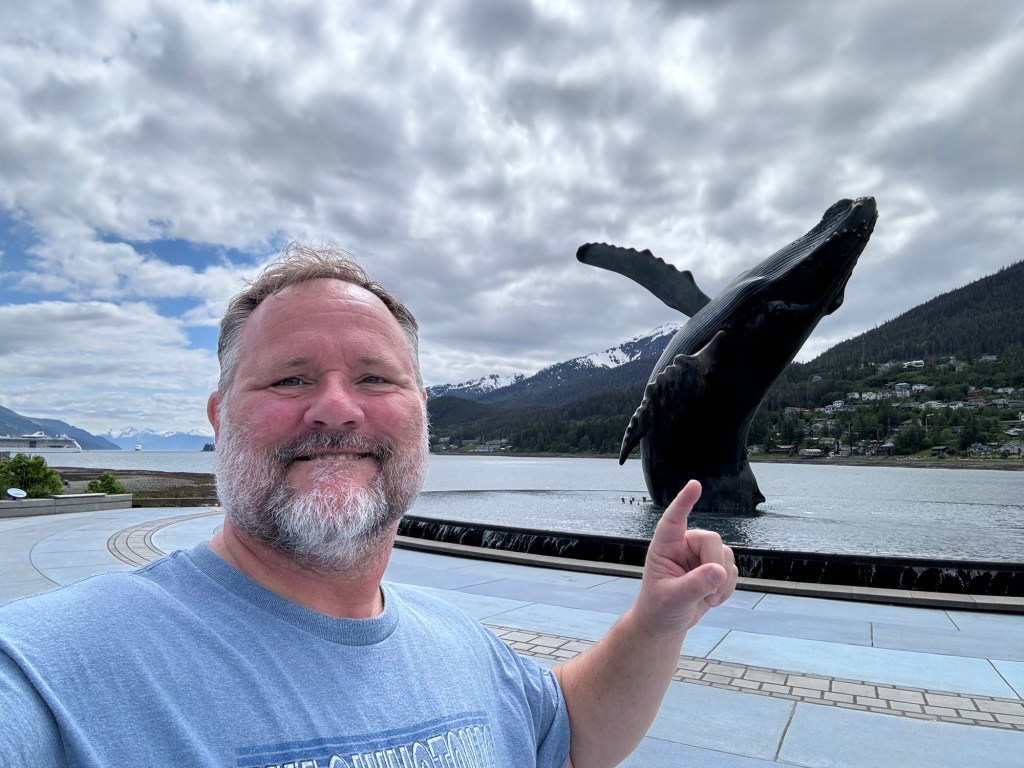
Whales are the largest mammals on our planet and they are central to the Alaskan story, especially in the Alexander Archipelago of the Gulf of Alaska where thousands of humpback whales come to feed every summer. It is in these waters around Juneau that the Hawaiian islands pods mix with the Sea of Cortez pods to exchange genetic material, thus assuring future generations. Once hunted for their blubber, these magnificent creatures now draw thousands of nature lovers to this rather remote part of coastline.
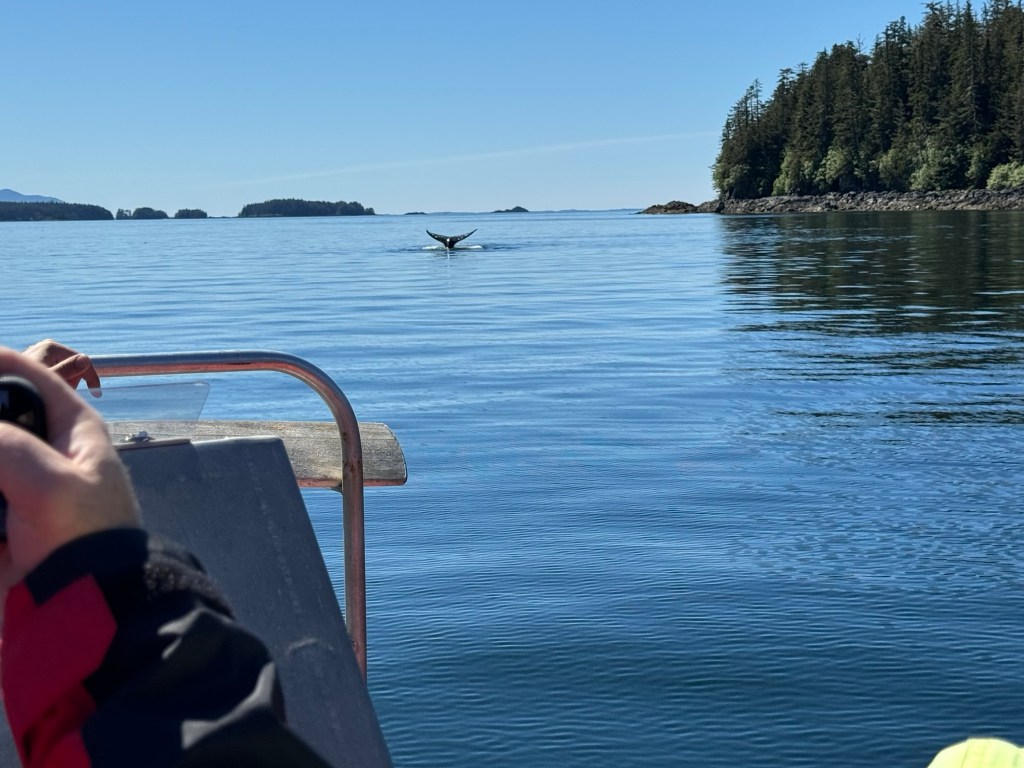
I will admit that I have been quite fortunate over the years to have been able to come to this part of the world on many an occasion. While each vessel of the different cruise lines I have been sailing on over the years offers its own style and experience, what I remember most of all is the spectacular wildlife sightings. Whales, bears, bald eagles, and many more species are the true stars for me in this wilderness area.
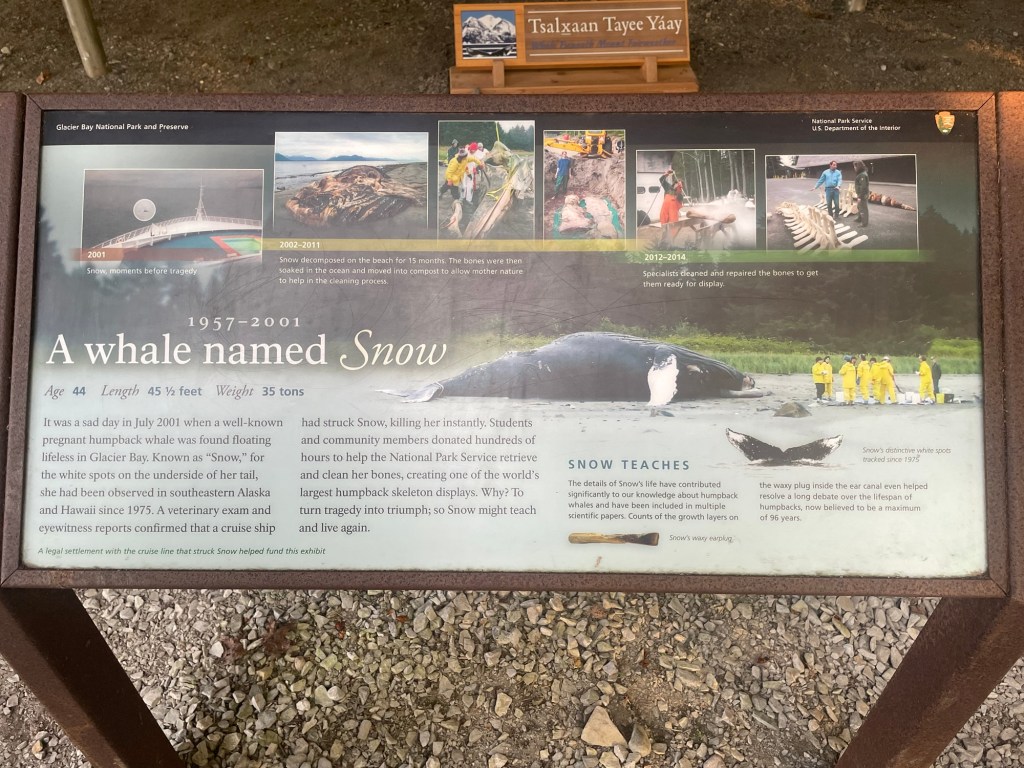
It is this area of narrow and deep carved glacier valleys where human activity collides with nature’s bounty of sheer endless krill on which whales feed. Fast churning propellers that move massive cruise ships through these waters occasionally injure or even kill marine mammals. Occurrences such as te whale named Snow helped to bring this aspect to the fore and speed reduction laws, ship limits, and marine protective zones have been implemented. These regulations help in finding the right balance of commerce and preservation that allows this ecosystem to thrive and deliver unrivaled experiences to visitors.
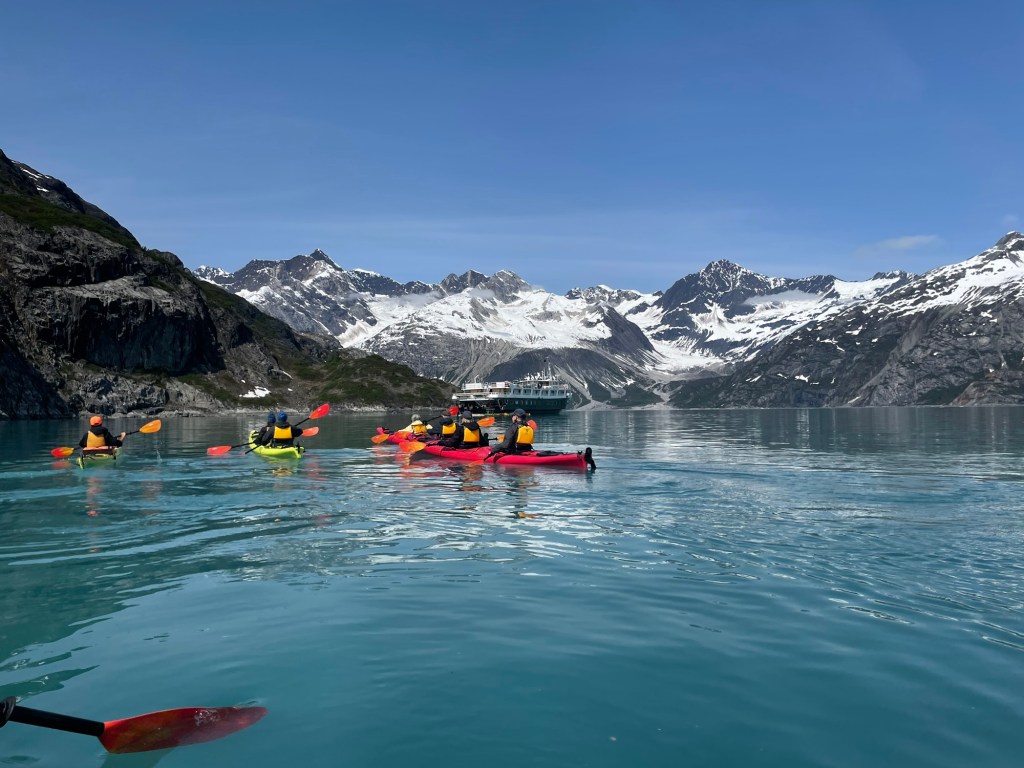
For those that have never been to Alaska, it is not too late to partake in an adventure this year. In da t, more varied programs from small ships like our Uncruise adventure with 76 guests to ultra luxury expeditions on Seabourn and Silversea, there is a program for everyone. I hear Alaska calling!

 Planet Travel Blog